
Table of Contents (14 sections)
In today's fast-paced tech landscape, becoming a developer is no small feat. It requires a unique set of skills that work together to help you thrive in the ever-evolving digital world. This blog post uncovers the key skills essential for anyone aiming to carve out a successful career in development.
1. Programming Languages: The Building Blocks
Every developer must start with a firm understanding of programming languages. Languages such as Python, JavaScript, Java, and C++ are commonly used in various domains. For instance, Python is favored for data science and machine learning due to its simplicity and robust libraries. According to the Stack Overflow Developer Survey, Python continues to be one of the most popular languages among developers, which indicates its vast applications and community support. Learning multiple languages not only provides flexibility but also allows you to adapt to different projects and environments.
2. Version Control Systems (VCS): Managing Changes
Understanding version control systems, especially Git, is vital for any developer. VCS allows developers to track changes in their code, collaborate with others, and revert to previous versions if needed. Tools like GitHub and GitLab offer platforms for developers to manage their projects and share code effectively. It’s reported that nearly 90% of developers regularly use Git, making it an industry standard. Familiarity with VCS increases your employability as it demonstrates your ability to work collaboratively in teams, a crucial component in today’s workspace.
3. Problem-Solving Skills: The Heart of Development
At its core, development is about solving problems. Strong analytical skills allow developers to break down complex problems into manageable parts. It’s important to approach challenges methodically—define the problem, brainstorm solutions, implement them, and test your results. A survey from IBM highlighted that 71% of tech leaders value problem-solving skills as essential when hiring developers. Regularly engaging in coding challenges, like those on LeetCode and HackerRank, can help refine these skills.
4. Understanding of Frontend and Backend Development
Knowing both frontend and backend development can greatly enhance your skill set. Frontend development focuses on the user interface and experience, employing languages like HTML, CSS, and JavaScript. In contrast, backend development involves server-side coding and database management, often using Node.js, Ruby on Rails, or Django. Having a holistic view of how both sides operate allows for seamless collaboration and efficiency in project execution.
5. Database Management: Storing and Retrieving Data
Nearly every application requires a robust way to manage data. SQL (Structured Query Language) remains the go-to for relational databases, while NoSQL options like MongoDB are rising in popularity. Understanding how to structure databases, write queries, and manage transactions is crucial. According to Microsoft, over 70% of applications rely on databases for data management. Developers should become competent in data modeling, querying, and optimizing databases to ensure efficient data handling.
6. Framework Familiarity: Boosting Productivity
Frameworks streamline the development process, allowing developers to leverage pre-built components to speed up their work. Popular frameworks like React, Angular, and Vue for frontend, and Express.js, Spring, and ASP.NET for backend, are key tools. Learning these frameworks can exponentially increase your productivity. A survey by JetBrains indicated that 64% of developers reported using frameworks in their projects, underscoring their importance in the current development landscape.
7. Soft Skills: Collaboration and Communication
Technical skills are essential, but soft skills play an equally important role in a developer’s success. The ability to communicate effectively, collaborate on teams, and manage time is vital in achieving project goals. According to the Harvard Business Review, teams with strong interpersonal skills often outperform those reliant solely on technical abilities. Participating in team projects, either during your studies or in open-source initiatives, can provide invaluable experience in honing these skills.
8. Continuous Learning: Staying Current
The tech industry is ever-changing, and continuous learning is a must. Keeping up with the latest trends, tools, and technologies through online courses, workshops, or tech conferences can set you apart in a competitive job market. Platforms like Coursera and Udacity offer countless opportunities for professional development. Research shows that over 60% of tech professionals engage in continuous education to keep their skills relevant. This proactive approach not only enhances your resume but also fosters personal growth and adaptability.
9. Testing and Debugging: Ensuring Quality
Quality assurance is crucial in development. Familiarity with testing methodologies, including unit testing, integration testing, and end-to-end testing, will ensure your applications are robust and reliable. Tools such as JUnit for Java and Jest for JavaScript help automate these tests and facilitate debugging. The World Quality Report indicates a significant increase in organizations prioritizing automated testing, highlighting its role in delivering high-quality software quickly.
Conclusion: Building Your Developer Skill Set
To summarize, becoming a successful developer requires a combination of technical proficiency and soft skills. Starting with programming languages and version control, you must continuously evolve through testing, collaboration, and learning. Make sure to practice problem-solving, database management, and familiarize yourself with essential frameworks.
Checklist before starting your developer journey
- [ ] Master one or two programming languages
- [ ] Learn Git and VCS basics
- [ ] Improve analytical and problem-solving capabilities
- [ ] Explore both frontend and backend development
- [ ] Understand database management
- [ ] Get comfortable with frameworks
- [ ] Develop effective communication skills
- [ ] Engage in continuous learning opportunities
Glossary
| Term | Definition |
|---|---|
| Frontend | The part of a website or application that users interact with; includes design, layout, and user experience. |
| Backend | The server-side part of an application that processes requests and manages data. |
| Version Control | A system that records changes to files over time so that specific versions can be recalled later. |


📺 For further insights:
Check out a comprehensive analysis of necessary skills for developers on YouTube by searching: essential skills for developers 2026.
🧠 Quiz rápido : What is the most important skill for a developer?
- A) Version Control
- B) Soft Skills
- C) Testing
Réponse : A — All developers must manage code changes efficiently.
📺 Pour aller plus loin : essential skills for developers 2026 sur YouTube
Recommended products
Selected by our experts
Nettoyant moussant Essential Face Wash - 50 ml - Comfort Zone
Blissim FR
Staying productive and organized while coding is essential; this face wash helps keep you fresh during long coding sessions.
Nettoyant moussant Essential Face Wash - 150 ml - Comfort Zone
Blissim FR
A clean face helps maintain focus during those intense coding marathons, making this cleansing product relevant.
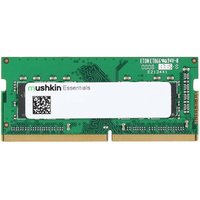
Mushkin Essentials 8 Go 1x8 Go DDR4 260-pin SO-DIMM
Topbiz FR
Having the right hardware, like quality RAM, supports effective coding and testing processes.