Table of Contents (9 sections)
Transitioning from a non-technical career to software development can seem daunting, yet it is achievable with a structured approach. In this tutorial, we will explore actionable steps to become a developer, identify resources, and share insider tips to make the journey smoother. Each step is designed to help you build the foundational knowledge needed to thrive in the tech industry.
1. Assess Your Current Skills and Interests
Before diving into software development, it’s crucial to evaluate your existing skills and interests. Think about your current job and draw parallels with developer roles. For example, if you have experience in project management, your organizational skills will be invaluable in software development projects. Similarly, if you worked in a customer-facing role, your understanding of user needs can guide your development choices.
To get started, consider taking a skills inventory. List your transferable skills such as problem-solving, analytical thinking, or any technical skills you may already possess — for instance, familiarity with spreadsheets or basic coding from hobbies. A clear understanding of your strengths will bolster your confidence and help tailor your educational focus.
2. Choose a Development Path
Software development is a broad field encompassing various specializations such as web development, mobile app development, and data science. Once you have assessed your skills, researching different paths is next. Common avenues include:
- Front-end Development: Focused on the user interface and experience.
- Back-end Development: Concerned with server-side logic and database interactions.
- Full Stack Development: Combines both front-end and back-end expertise.
- Data Science: Utilizes programming for data analysis and model building.
Analyze job descriptions in your areas of interest to understand required skills and technologies. Consider enrolling in introductory courses related to your chosen path to gain insight into what excites you about development.
3. Develop Relevant Technical Skills
With a clear path in mind, it's time to build your technical skills. Here are some popular programming languages and tools to consider:
- HTML, CSS, and JavaScript: Essential for web development.
- Python or Java: Great for back-end development, data science, and AI.
- Git: Version control is a vital skill in collaborative coding environments.
Utilize online learning platforms like Codecademy or Coursera, which offer accessible courses for beginners. Remember to practice consistently; coding platforms like LeetCode or GitHub can help reinforce your learning through real-world applications. Aim to dedicate several hours a week to hone your skills.
4. Build a Portfolio of Projects
As you learn and grow, showcasing your skills through a portfolio is essential. Potential employers often seek evidence of practical experience. Start by creating personal projects that interest you, such as a simple website or a simple application. Participate in collaborative coding projects or contribute to open-source initiatives, which not only bolster your portfolio but also allow you to learn from experienced developers.
Having a diversified portfolio illustrates your abilities to a potential employer, enhancing your profile during the job application process. Aim to have at least three to five projects that demonstrate your skills and range.
5. Network within the Tech Community
Networking is an often-overlooked aspect of job hunting. Join local tech meetups, participate in online forums, or engage in social media groups focusing on development. Platforms like LinkedIn offer opportunities to connect with industry professionals, which can lead to mentorship or job opportunities.
Attend coding boot camps, workshops, or tech conferences to meet people in the industry. Sharing your journey can lead to valuable advice and potential job leads, making effective networking key in your transition.
6. Prepare for Job Interviews
As you build your skills and projects, setting your sights on landing a developer job is the next step. Prepare for coding interviews by practicing coding challenges and understanding common data structure and algorithms questions. Engaging with resources like Pramp or interviewing.io can provide mock interview experiences to build your confidence.
Additionally, work on your soft skills, such as communication and teamwork, which are essential in any development role. Remember to research the companies you apply to, understand their products, and be prepared to articulate how you align with their values.
Checklist before Transitioning to Developer
- [ ] Assess existing skills and interests
- [ ] Choose a specific development path
- [ ] Enroll in courses to develop technical skills
- [ ] Build a portfolio showcasing projects
- [ ] Network with industry professionals
- [ ] Prepare for job interviews and soft skills
Glossary
| Term | Definition |
|---|---|
| Front-end Development | The part of a website or application that users interact with directly, involving technologies like HTML, CSS, and JavaScript. |
| Back-end Development | The server-side of an application that handles business logic and data storage, often involving languages like Python, Ruby, or Java. |
| Version Control | A system that tracks changes to code and facilitates collaboration between multiple developers, commonly using tools like Git. |
> 💡 Expert Opinion: Building your skills through real projects is crucial; it not only solidifies your learning but provides tangible evidence of your capabilities to potential employers.
🧠 Quick Quiz: What is the primary role of a front-end developer?
- A) They manage the database.
- B) They design the website's user interface.
- C) They write server-side code.
Answer: B — A front-end developer focuses on the user interface and experience.
📺 For further insights: Explore how to effectively transition to a developer role by searching for relevant videos on YouTube: "transition to developer success tips".
📺 Pour aller plus loin : how to transition to a developer role sur YouTube
Recommended products
Selected by our experts

Coupe Transition Chicco Fille 4m+ Coupe Transition
DocMorris FR (ex DoctiPharma FR)
This product is great for enhancing focus during study sessions or development work.
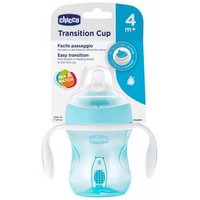
Chicco TAZZA TRANSITION AZZ 4M
DocMorris FR (ex DoctiPharma FR)
A useful tool to have for snacking while learning coding or attending coding bootcamps.
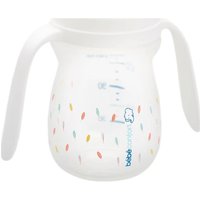
Bebe Confort Tasse Transition Mini 140ml 1ut
DocMorris FR (ex DoctiPharma FR)
Ideal for those long coding sessions where staying hydrated is important.