Table of Contents (12 sections)
Getting ready for a coding bootcamp can often feel overwhelming, especially if you're new to programming. This guide delves into essential steps and strategies for effective coding bootcamp preparation to ensure your success as you embark on this thrilling journey of becoming a developer.
Step 1: Understand Coding Bootcamp Basics
Before diving into the nitty-gritty of preparation, it's crucial to grasp what a coding bootcamp entails. A coding bootcamp is an intensive training program designed to equip you with the skills to become a programmer in a short time frame, typically ranging from 8 to 24 weeks. These bootcamps are designed for individuals from various backgrounds, with some not requiring any coding experience.
Why Attend a Coding Bootcamp? According to a report by Course Report, 83% of coding bootcamp graduates found a job in their field after graduating. This statistic highlights the effectiveness of these programs in providing a pathway to employment in tech. It's essential to have clear goals—whether to transition to a tech career, gain new skills, or simply explore a passion for coding.
Take time to research different bootcamps to find one that suits your learning style and career goals. Look for organizations with strong job placement rates and positive reviews. Understanding the curriculum, required languages, and teaching methods can guide your preparation effectively.
Step 2: Brush Up on Basic Programming Concepts
Although many bootcamps accept students at all skill levels, it's beneficial to have a foundational understanding of basic programming concepts before starting. Consider revisiting fundamental topics such as:
- Variables and data types
- Control structures (if statements, loops)
- Functions and scope
- Basic algorithms and data structures
Resources abound for foundational learning. Websites like Codecademy and freeCodeCamp offer free introductory courses that can help you build confidence. Additionally, platforms like Khan Academy provide excellent tutorials tailored to beginners. Investing a few hours into self-study can significantly improve your preparedness for the fast-paced bootcamp environment.
Step 3: Set Up Your Development Environment
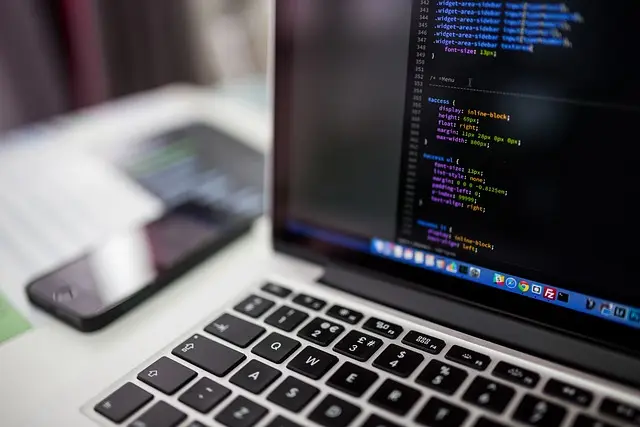
Setting up a suitable development environment is a critical part of preparing for your bootcamp. Here’s how to approach it:
- Choose Your Text Editor/IDE: It's essential to select a code editor (like Visual Studio Code or Sublime Text) where you’ll write and edit your code. Familiarize yourself with features like extensions, plugins, and keyboard shortcuts to enhance your productivity.
- Install Git: Version control is vital for any developer. Make sure to learn the basics of Git—this ensures you can manage your code effectively and collaborate with peers.
- Set Up Local Server/Environment: Depending on the coding languages you’ll be learning, setting up a local server (like XAMPP or MAMP) may be necessary for testing your applications.
Step 4: Develop a Study and Work Schedule
Coding bootcamps are intense and require a significant time commitment. Developing a structured study schedule before starting will help create a habit of consistent learning. Here are a few tips:
- Dedicate Hours to Practice: Allocate specific times each day for studying and coding practice, even before the bootcamp starts. Consistency is key.
- Use Time Management Tools: Apps like Trello or Todoist can help track your progress and manage tasks effectively. Knowing what you need to focus on daily helps alleviate stress during the bootcamp.
- Balance Learning with Breaks: Avoid burnout by ensuring you integrate breaks into your study schedule to stay refreshed.
Step 5: Join Online Communities for Peer Support
One of the best ways to bolster your preparation for a coding bootcamp is to join an online community. Platforms such as Slack, Discord, or specific Facebook groups focused on bootcamp students provide invaluable peer support and networking opportunities. Here’s why joining a community is beneficial:
- Ask Questions: You’ll have immediate access to a collective knowledge base, allowing you to seek assistance on difficult topics.
- Share Resources and Tips: Engage with fellow learners to exchange helpful resources, study techniques, and bootcamp experiences.
- Build Accountability: Having a friend or a group to study with can motivate you to stay committed to your learning goals.
📺 Resources Video
> 📺 For further insights: Essential steps to prepare for coding bootcamp, a detailed guide on getting ready. Search on YouTube: coding bootcamp preparation 2026.
Step 6: Review Financial Commitment and Funding Options
Before committing to a bootcamp, it’s crucial to have a firm understanding of the financial aspects involved. Tuition fees can vary widely, with some bootcamps offering flexible payment plans or scholarships. Here’s what to consider:
- Tuition Fees: Research different bootcamp costs and what’s included. Look for reviews on the program's value.
- Financial Aid Options: Many bootcamps offer financing options or partnerships with lending organizations to help manage the cost.
- Return on Investment: Assess the potential salaries after buying the course; does the future earning potential justify the investment? According to Le Wagon, bootcamp grads can earn upwards of $60,000 to $120,000 annually, depending on the skillset acquired.
Step 7: Prepare Yourself Mentally
Finally, ensure you’re mentally prepared for the challenges ahead. Coding bootcamps are rigorous, and it’s common to feel overwhelmed at times. Here are several mental preparation strategies:
- Maintain a Positive Mindset: Embrace challenges as opportunities for growth. A positive attitude enhances learning.
- Practice Self-Care: Balance intense study sessions with relaxation, whether through exercise, hobbies, or meditation.
- Set Realistic Expectations: Understand that it’s normal to struggle with concepts initially. Persistence is key in overcoming obstacles.
Checklist Before Starting Your Coding Bootcamp
- [ ] Research and select a coding bootcamp.
- [ ] Understand basic programming concepts.
- [ ] Set up your development environment.
- [ ] Create a structured study schedule.
- [ ] Join online coding communities.
- [ ] Review financial options and commitments.
- [ ] Prepare mentally for the coding challenge ahead.
Glossary
| Term | Definition |
|---|---|
| Coding Bootcamp | An intensive training program designed to teach you programming skills in a short timeframe. |
| Version Control | A system that allows you to track changes to code over time and collaborate with others. |
| Integrated Development Environment (IDE) | A software application that provides comprehensive facilities to programmers for software development. |
Quiz
> 🧠 Quick Quiz: Name one benefit of joining online coding communities.
> - A) Cost Reduction
> - B) Peer Support
> - C) Faster Learning
> Answer: B — Connecting with peers can enhance understanding and motivation.
📺 Pour aller plus loin : coding bootcamp preparation tips 2026 sur YouTube